Introduction
“Women, keep your Pelvic health as strong as your coffee”.
Women experience continuous changes throughout their lifespan, from puberty to childbearing years, perimenopause, and into post-menopause. Each Phase is a milestone she attains, which sets her to progress to the next one.
The female body is an ever-evolving landscape. And with every phase, her Pelvic health keeps changing too. At Svãy, we see this pattern in almost every consultation: pelvic health is rarely a one-time concern; it moves with a woman through every stage of life.
Key Takeaways
- Pelvic health evolves at various stages of life, starting from puberty and pregnancy to postpartum and menopause, not just in later life.
- Research shows that up to 75.6% of young volleyball players suffer from stress urinary incontinence, indicating that such conditions can occur even at a young age.
- About 41% of pregnant women suffer from some type of urinary incontinence, mainly due to hormonal and physical changes.
- Hormonal changes, not just physical strain, are very significant in pelvic floor changes across every life stage.
- One can treat pelvic floor dysfunction regardless of the stage it is in and not perceive it as a normal part of ageing.
1. Puberty
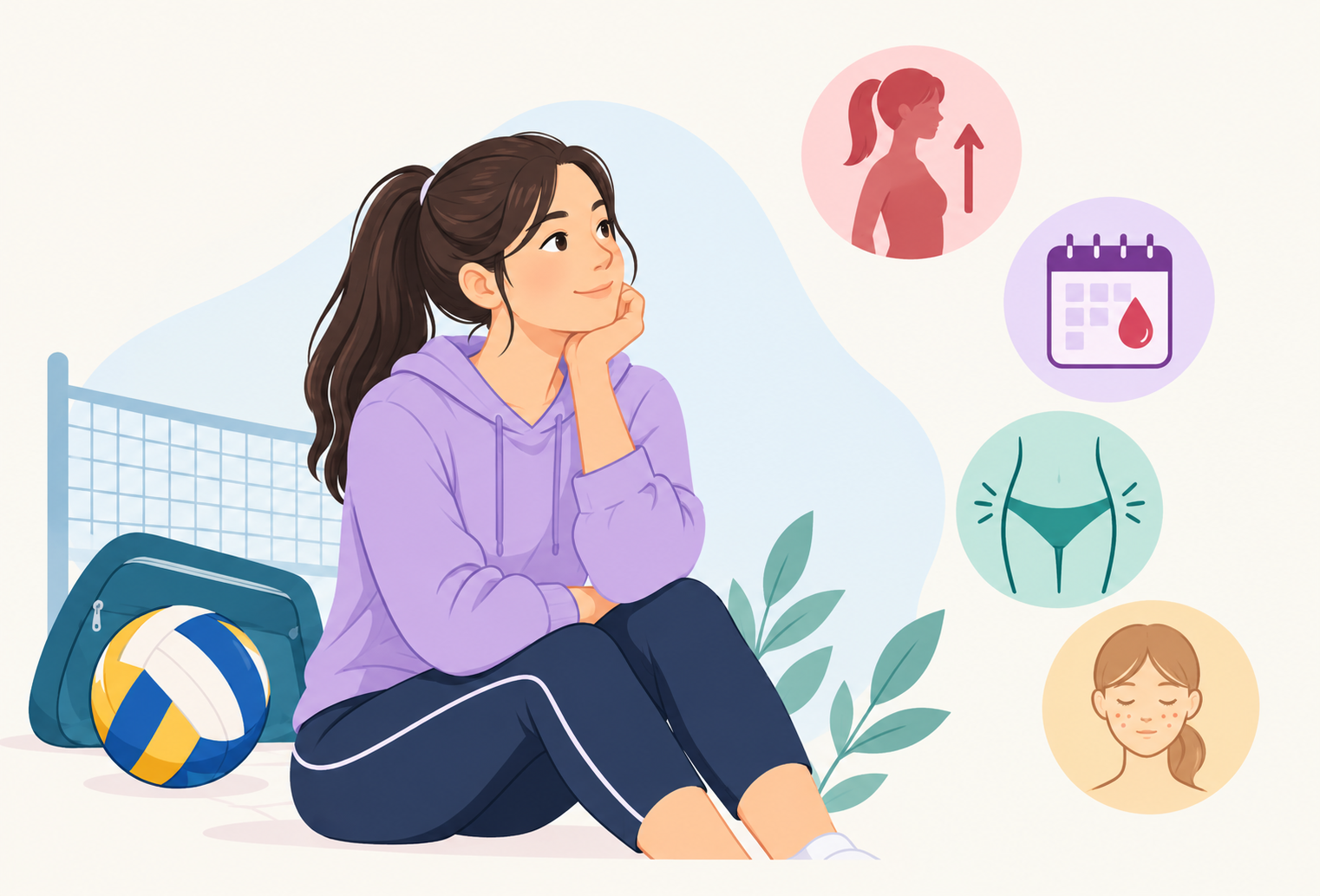
According to a systematic review and meta‑analysis indexed in the National Library of Medicine (PMC), 75.6% of young volleyball players suffer from stress urinary incontinence, attributed to the high‑impact nature of the sport and the resulting increase in intra‑abdominal pressure on the bladder. The rapid growth spurt disturbs the pelvic posture and the movement pattern, creating an imbalance of the muscles.
Obesity is also on the rise due to the sudden hormonal change. Muscle tightness around the pelvis could increase the chances of menstrual pain interfering with her school or social activities.
2. Pregnancy
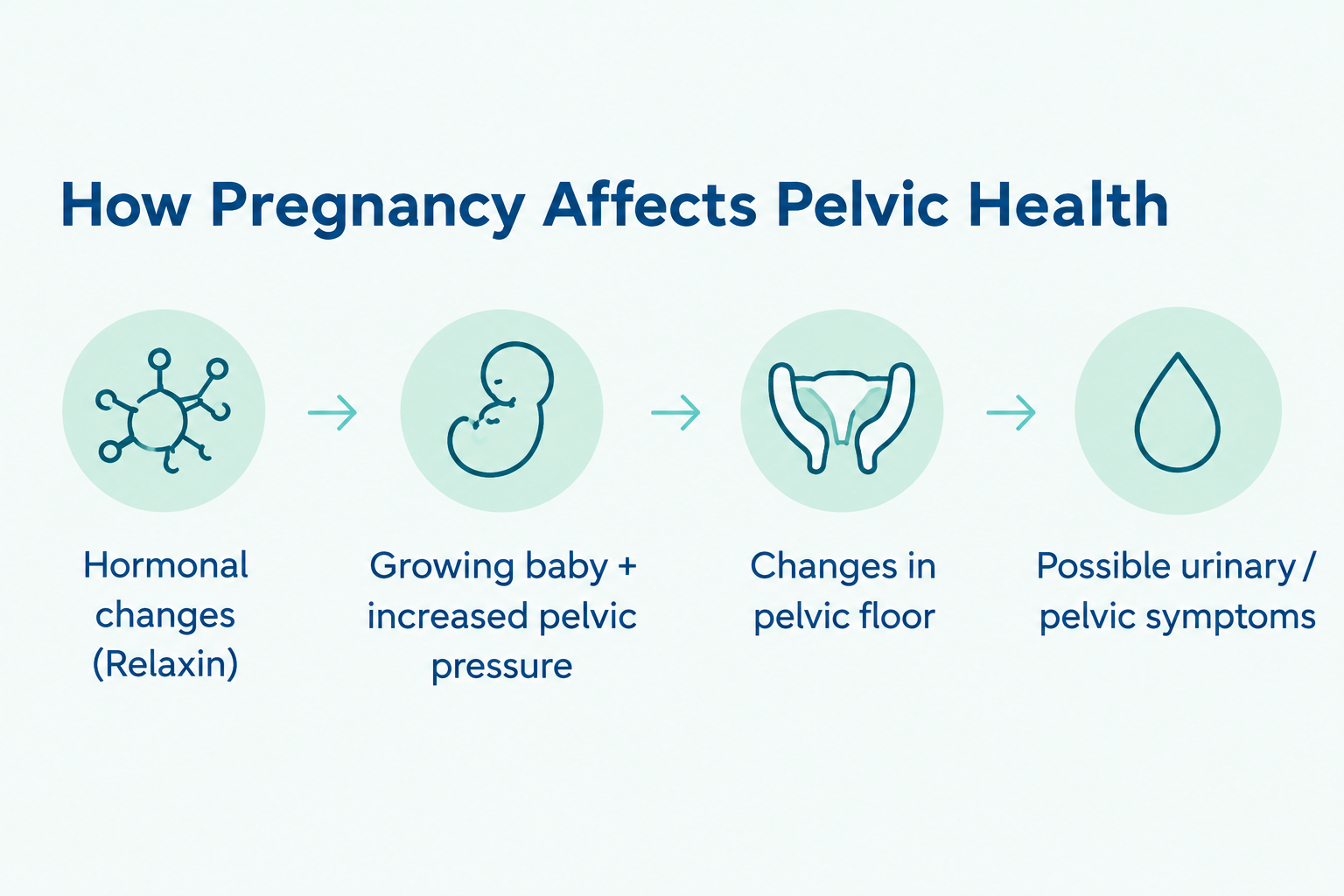
Under the influence of the hormone Relaxin, the ligaments of the pelvis become more flexible, and the cervix softens, increasing instability of the pelvic bones and pelvic floor. Increased weight of the developing fetus, amniotic fluid, and the placenta adds to the pressure on the floor.
According to a systematic review published in the National Library of Medicine (PMC), urinary incontinence affects an average of 41% of pregnant women, based on data from over 88,000 participants.
Urinary incontinence, Organ prolapse, and Hemorrhoids are commonly reported during pregnancy. Preparing pelvic health before conceiving is the best preventive measure, something the team at Svãy encourages women to plan for well ahead of their pregnancy journey.
3. Postpartum
Already weak pelvic health, due to pregnancy and multiple pregnancies, can sustain a larger baby, longer labour, and difficult deliveries. Childbirth can impact a mother's pelvic health for much longer than just the fourth trimester. Pelvic health should be a key focus during the postpartum period.
Vaginal deliveries, especially in the second stage of labour, impose more impact on the pelvic floor. And not to forget, the chances of birth trauma or birth injuries during forceps- and vacuum-assisted delivery.
According to the systematic review in the International Urogynecology Journal, urinary incontinence affects about 31–32% of women in the first 12 months postpartum, with stress urinary incontinence being the most common subtype. Fecal and urinary incontinence are commonly reported pelvic floor issues by mothers, along with prolapse and denervation injuries.

4. Peri/Post Menopause
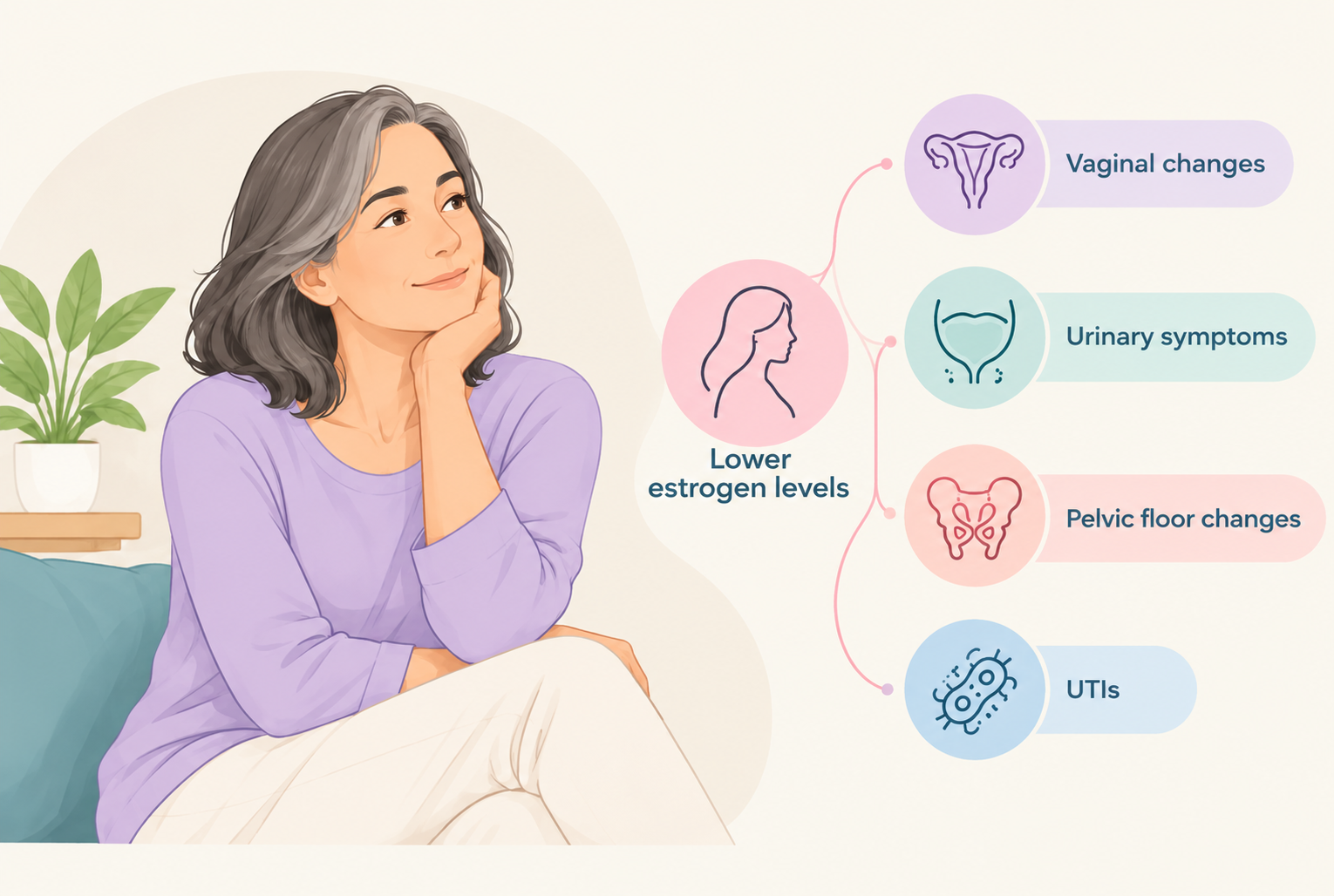
Much like we recommend preparing for pregnancy and childbirth, women also need to ideally consider their pelvic health before menopause. Hot flashes, brain fog, and sleep deprivation are the most talked-about peri/menopause symptoms, but along with these, decreased estrogen levels can give rise to genitourinary symptoms.
The North American Menopause Society’s 2020 position statement reports that genitourinary syndrome of menopause (GSM) affects 27–84% of postmenopausal women, significantly impacting quality of life, yet remaining underdiagnosed and undertreated.
Multiple anatomical and functional changes affect the external genitals, bladder, vagina, urethra, and pelvic floor, along with loss of libido and greater chances of getting UTIs.
Conclusion
Pelvic health issues that were once considered the problem of late life are now a reality for women in their 20's. Pelvic health is very important to your whole physical well-being. Pelvic floor dysfunction is often curable or, at the very least, made much more manageable with the right help.
Pelvic floor therapy can help you align the mind with your body and help restore function. So, love your pelvic floor; it needs you! If you are noticing changes at any of these stages, Svãy offers guided pelvic health support tailored to exactly where you are in your journey.
FAQs
What are the symptoms of a pelvic problem?
The symptoms include the leaking of urine or faeces, a feeling of heaviness, pelvic pain, pain during intercourse, and frequent or urgent urination.
Is it possible to fix weak pelvic floor muscles?
Yes, in most situations, targeted exercises and guided physiotherapy can significantly improve strength and function.
How much time is required for pelvic floor muscles to tighten?
Most women see improvement between 6 and 12 weeks of regular exercises, but how long full recovery takes really depends on the person.
Which are the 3 best exercises for strengthening the pelvic floor?
Kegels, bridge poses, and deep squats are among the most effective exercises.
How does pregnancy affect the pelvic floor?
Hormonal changes soften the pelvic ligaments, while the baby's growing weight adds pressure, and both play a part in weakening the pelvic floor.
References
- Stress Urinary Incontinence Among Young Nulliparous Female Athletes, National Library of Medicine (NCBI) - https://www.ncbi.nlm.nih.gov/pmc/articles/PMC8516023/
- Prevalence, Incidence and Bothersomeness of Urinary Incontinence in Pregnancy: A Systematic Review and Meta-Analysis, International Urogynecology Journal - https://www.ncbi.nlm.nih.gov/pmc/articles/PMC8295103/
- Prevalence, incidence and bothersomeness of urinary incontinence between 6 weeks and 1 year post-partum: a systematic review and meta-analysis - https://link.springer.com/article/10.1007/s00192-021-04877-w?utm_source=copilot.com
- The 2020 genitourinary syndrome of menopause position statement of The North American Menopause Society - https://www.ovid.com/jnls/menopausejournal/abstract/10.1097/gme.0000000000001609~the-2020-genitourinary-syndrome-of-menopause-position?redirectionsource=fulltextview
.png)