Introduction
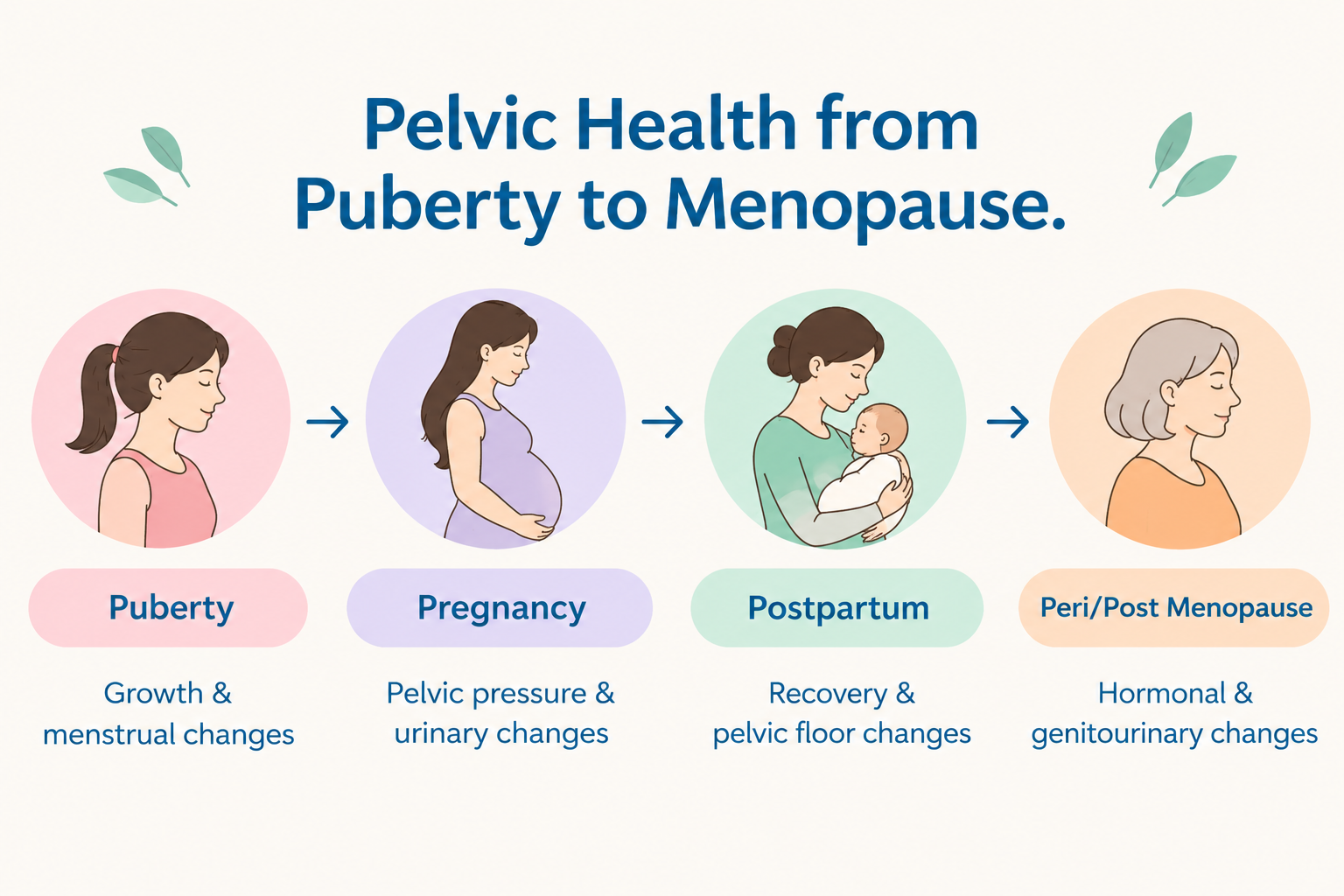
Pregnancy changes the daily routine of a woman, her body, and her thinking, making proper care important during the process.
Antenatal care (Pregnancy Care) is medical care and monitoring provided to women during the process of pregnancy to protect the mother and baby. It includes recommended check-ups, tests, and screenings. WHO recommends at least eight antenatal contacts during pregnancy.
While medical care is provided, women can benefit from pregnancy wellness support for nutrition, physical wellbeing, exercise, emotional health, and preparation for childbirth. Such services complement medical care, but do not replace it.
Key Takeaways
- Pregnancy care comprises check-ups, tests, scans, and vaccinations as suggested.
- According to WHO, at least eight antenatal contacts are necessary.
- Early intervention allows problems related to pregnancy to be diagnosed and managed effectively.
- A healthy pregnancy diet should contain folate, iron, calcium, and protein.
- Wellness support can work hand in hand with medical care through nutrition, physiotherapy, exercise, and counselling.
Understanding the Basics: What Is Included in Antenatal Care?
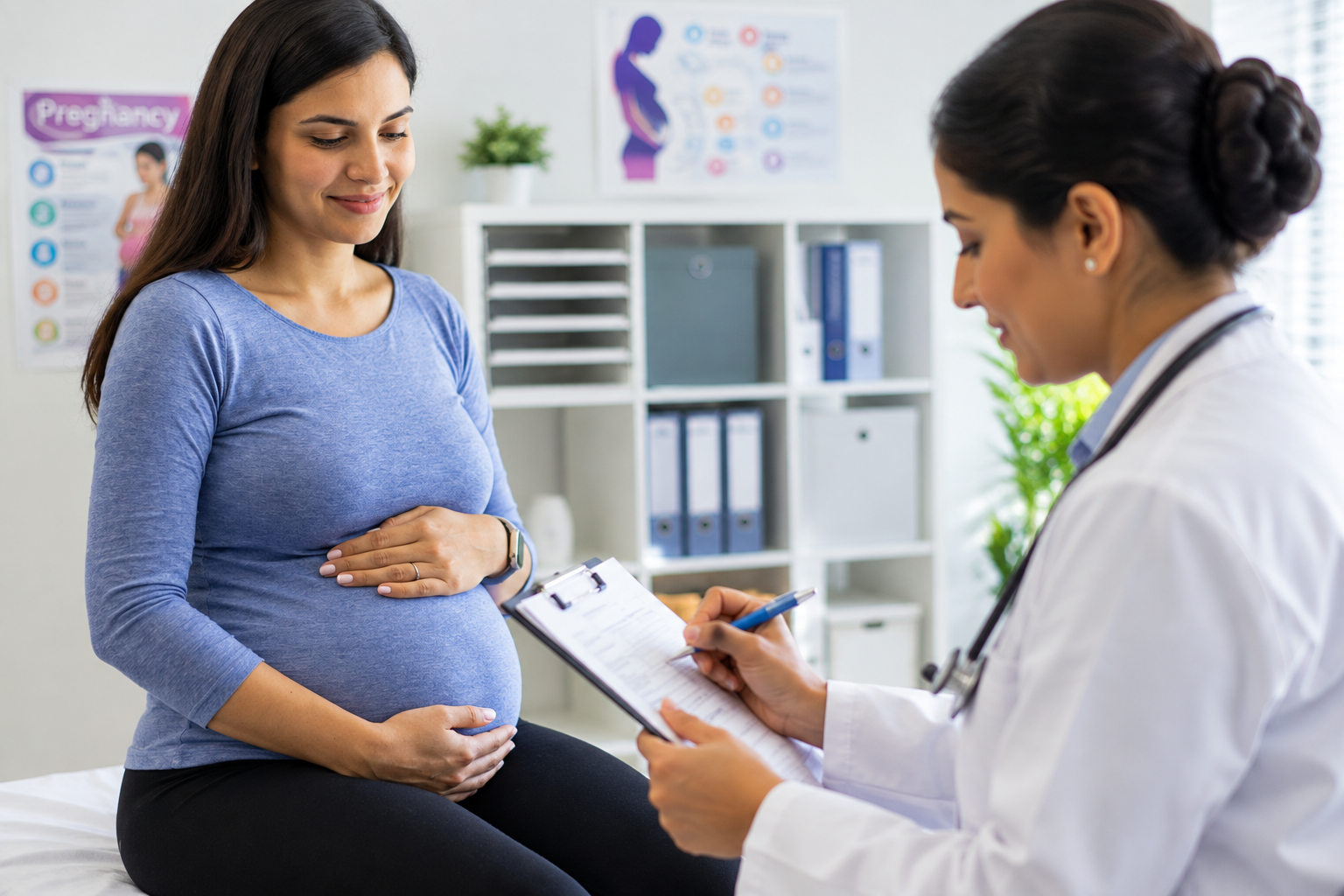
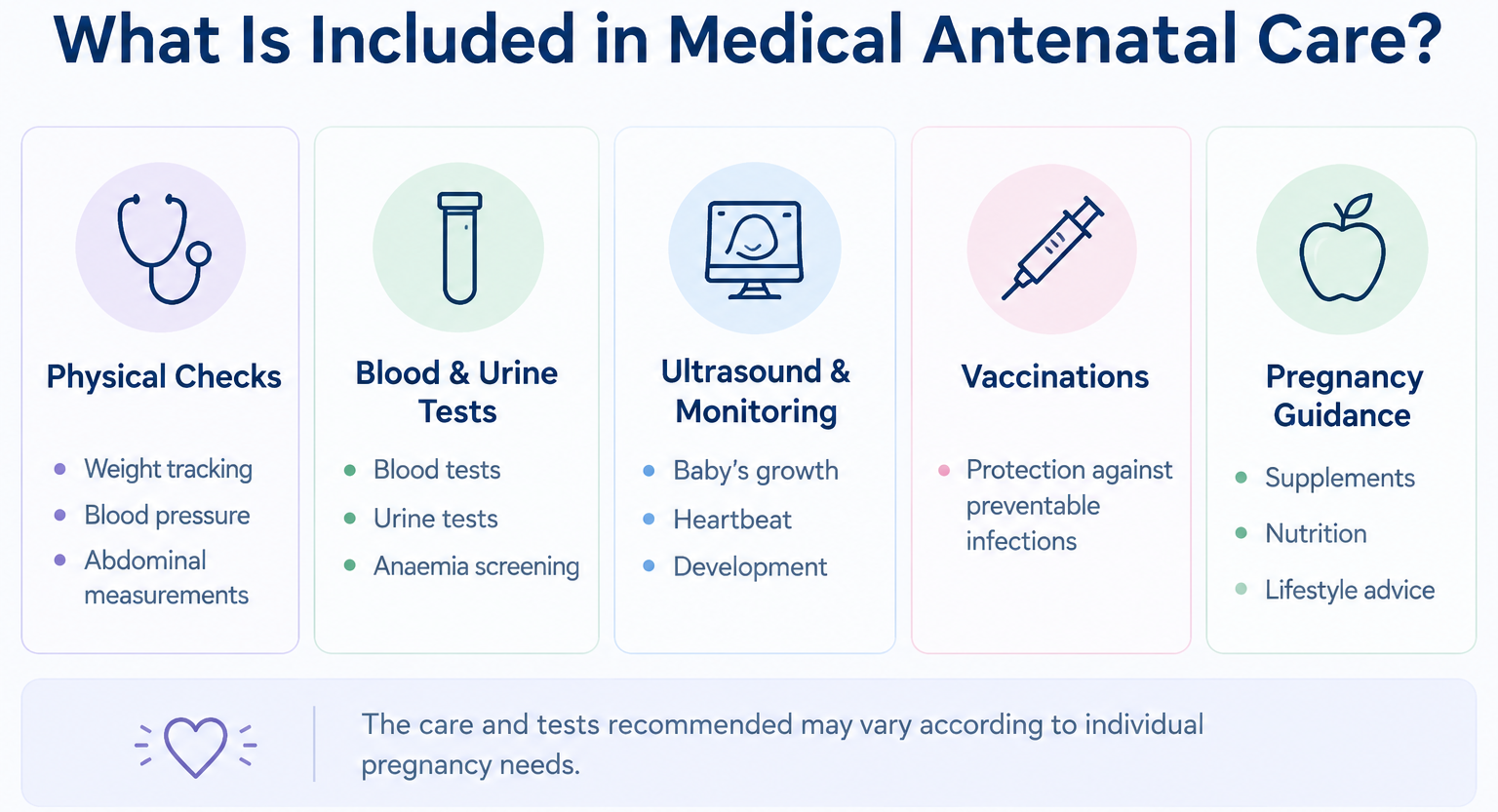
Antenatal appointments will vary according to the stage of pregnancy and individual health needs. Care is typically provided by a doctor, obstetrician, or qualified maternity-care professional.
Regular visits may involve checking weight and blood pressure, as well as conducting blood and urine tests in order to keep a check on maternal health.
Ultrasound scans can evaluate the baby’s growth, development, heartbeat, and position. Recommended vaccinations can also help protect mother and baby from certain infections.
The specific tests, examinations, and scans you’ll need will depend on your pregnancy and should be determined by your doctor.
Why Early Check-Ups Matter: When Should Pregnancy Care Begin?
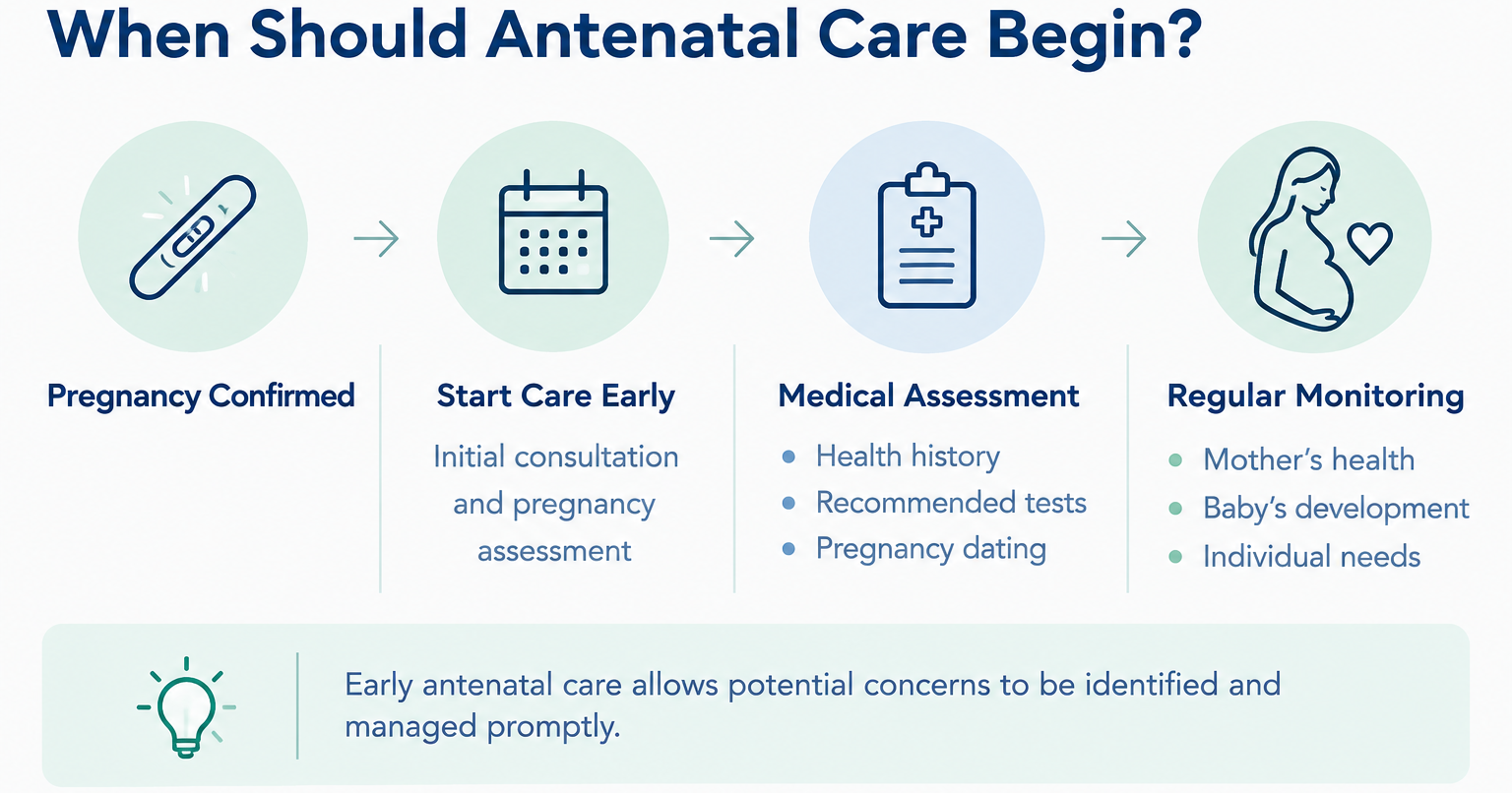
A lot of women wonder when pregnancy care should be started. The honest answer is that the earlier, the better.
Beginning early gives your doctor time to confirm dates, screen for existing conditions, and start folic acid supplementation before it matters most.
Consider Mary, who experienced mild fatigue as well as occasional spotting but delayed making an appointment for weeks, as she believed it was nothing.
What felt minor was found to be serious and required immediate attention that could have been addressed during a check-up. The delay in seeking medical care, even over minor symptoms, can let complications go unnoticed.
For women suffering from health conditions like hypertension, diabetes, or thyroid disorders, or with a history of pregnancy complications, early care is even more important since their care often needs closer attention from the very first weeks. Pregnancy counseling can also provide much-needed emotional assistance on your journey toward motherhood.
Key Advantages for Mother and Baby: What Are the Benefits of Pregnancy Care?
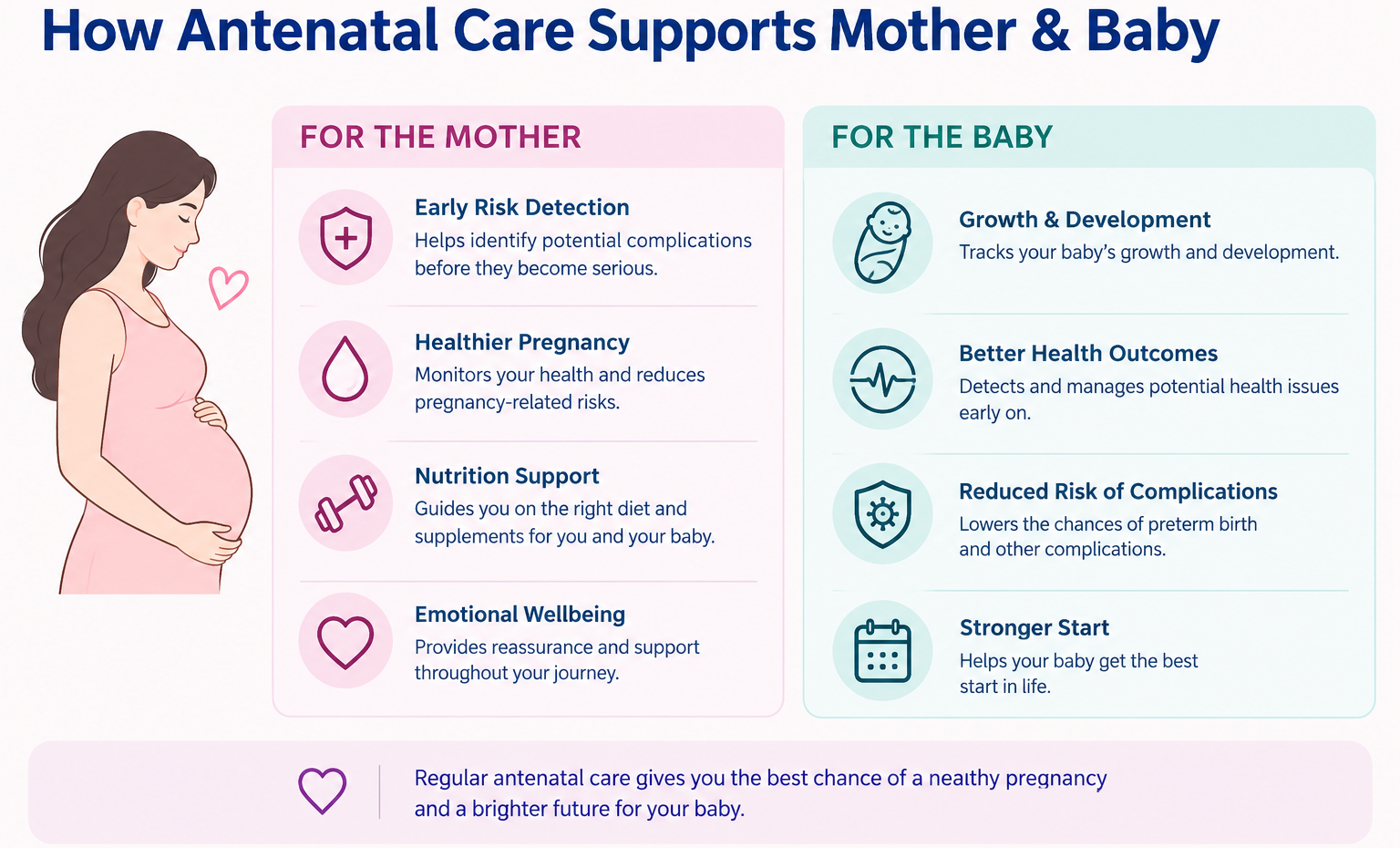
Knowing the benefits of pregnancy care clarifies the reason behind doctors stressing it so much.
Pregnancy care provides opportunities to identify risks and take timely action. Some conditions such as anaemia, preeclampsia, and gestational diabetes are priority maternal outcomes, and supplementation, monitoring, and preventive measures taken during pregnancy reduce risks and enhance outcomes for both mother and baby (WHO antenatal care recommendations).
Regular pregnancy check-ups help your baby grow properly, as well as decreasing the likelihood of preterm birth by spotting problems early (WHO).
Pregnancy visits protect maternal health as well as help ensure maternal wellbeing, supporting physical stamina and emotional stability through a season of major change.
WHO recommends a minimum of eight antenatal contacts in the course of pregnancy, a change from the older four-visit model, to lessen the risks and enhance women’s experiences of care (WHO).
Most importantly, continuous care reduces the mortality rates of infants and mothers by allowing timely intervention when something does go wrong.
Pregnancy care is very important, but pregnancy well-being also includes nutrition, safe activities, physiotherapy, and emotional support. These services can support the care given by a doctor or obstetrician.
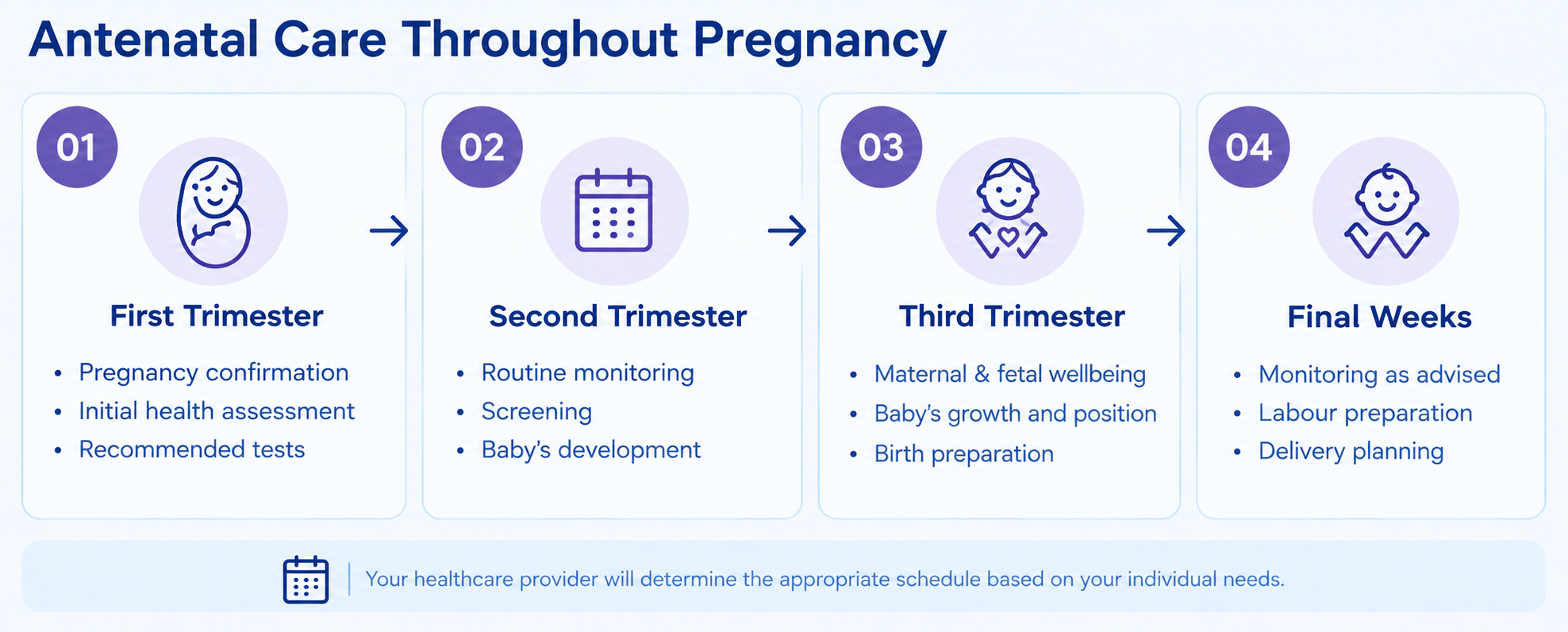
Antenatal Care Throughout Pregnancy
| Pregnancy stage | What medical antenatal care may focus on |
| First trimester | Pregnancy confirmation, initial health assessment, recommended tests and early pregnancy assessment |
| Second trimester | Routine maternal monitoring, recommended screening and assessment of the baby's development |
| Third trimester | Monitoring maternal and fetal wellbeing, baby's growth and position, and preparation for birth |
| Final weeks | Monitoring as advised by the healthcare provider and preparation for labour and delivery |
WHO Recommendations on Antenatal Care for a Positive Pregnancy Experience (2016) - WHO recommendations
The number and timings of antenatal visits, tests and scans will depend on individual requirements. Your obstetrician or maternity care provider will decide the appropriate schedule.
How Pregnancy Wellness Support Complements Antenatal Care
Medical antenatal care keeps track of the mother and baby, while pregnancy wellness care focuses on physical, nutritional and emotional wellbeing.
- Pregnancy nutrition: Personalised advice helps meet nutritional needs.
- Pregnancy physiotherapy: Safe exercise and physiotherapy can support mobility, strength and childbirth preparation.
- Pregnancy counselling: Counselling helps with emotional wellbeing, overcoming stress and anxiety, and the transition to motherhood.
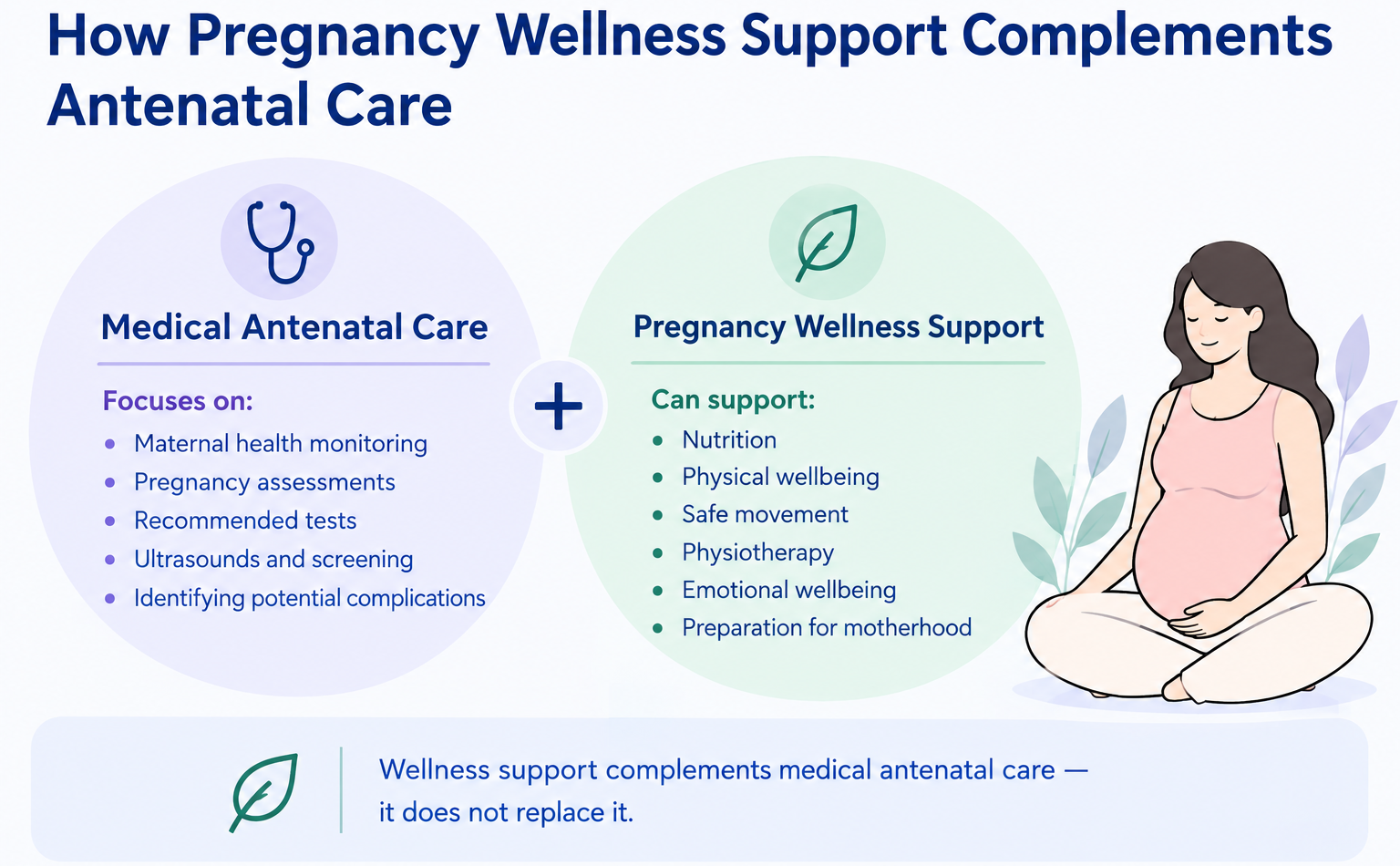
These forms of support can complement regular medical antenatal care, but not replace it.
Pregnancy Nutrition and Healthy Lifestyle Support
Good nutrition during pregnancy takes care of you and your baby, every step of the way.
Folic Acid helps prevent neural tube and spinal cord defects; health authorities such as the US Preventive Services Task Force recommend taking between 400 and 800 micrograms of it daily, ideally starting before conception.
Calcium supplements are useful to reduce the risk of pre-eclampsia during pregnancy. WHO recommends taking these daily if your diet doesn't provide enough on its own, and suggests spacing out calcium and iron doses so they don't interfere with each other.
Protein helps build your baby's organs and the placenta. Omega-3 fatty acids support healthy brain development (ACOG).
Gentle movement is equally important. Walking and pregnancy yoga help with circulation, ease common aches, and help the body prepare for labour, alongside adequate rest.
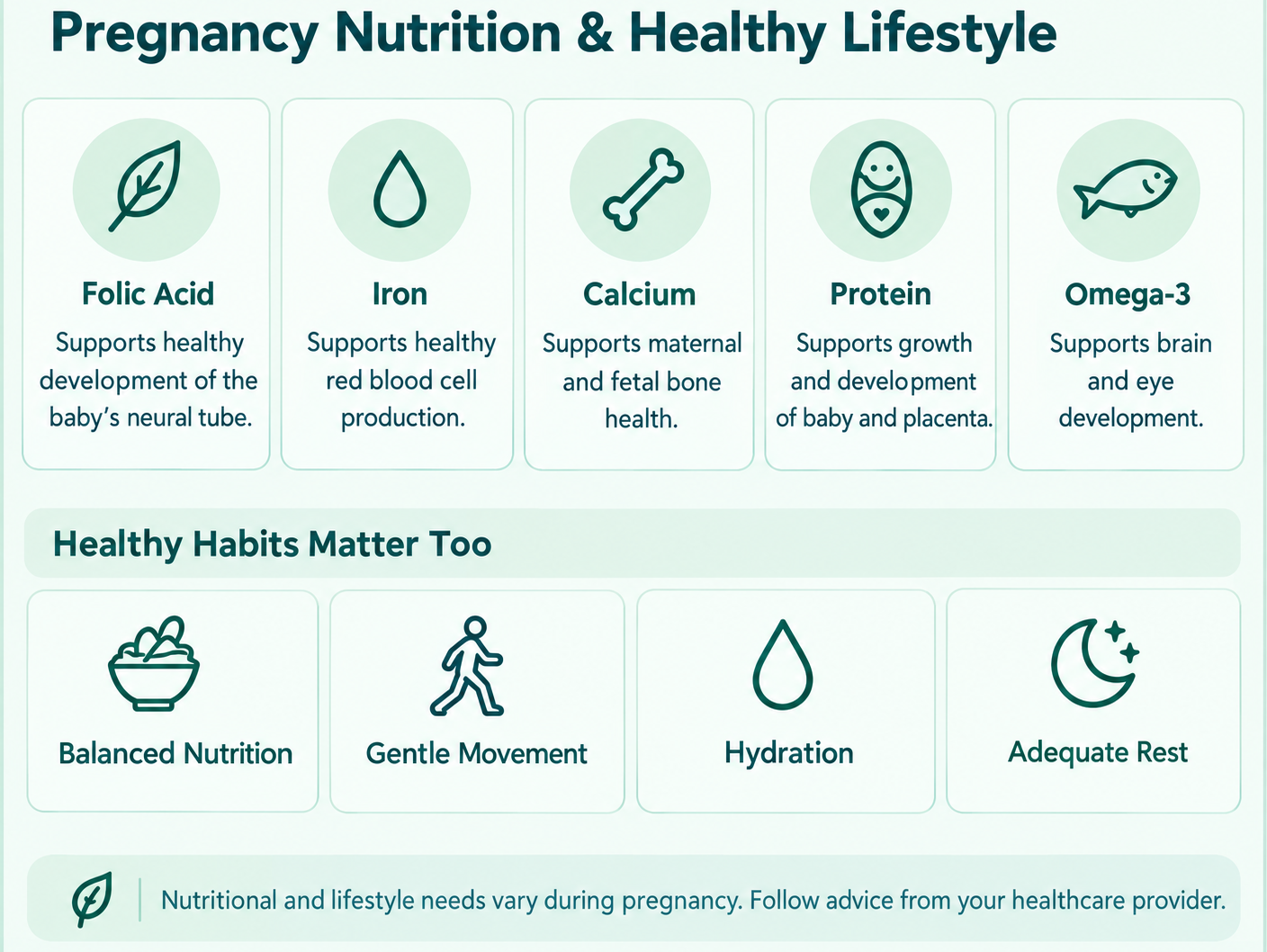
Nutritional needs during pregnancy may differ from woman to woman. Svãy helps women with their nutrition through professional support that offers tailored nutrition advice to meet the unique nutritional needs through different stages of pregnancy.
Emergency Red Flags: When to Contact Your Doctor Immediately
Some signs require immediate medical attention, and there is no room for a wait-and-watch approach.
- Vaginal bleeding or unusual fluid leakage
- Severe abdominal or pelvic pain
- A noticeable drop in fetal movement
- Constant headaches, blurred vision, or sudden swelling in the face or hands
- High fever or continuous, severe vomiting
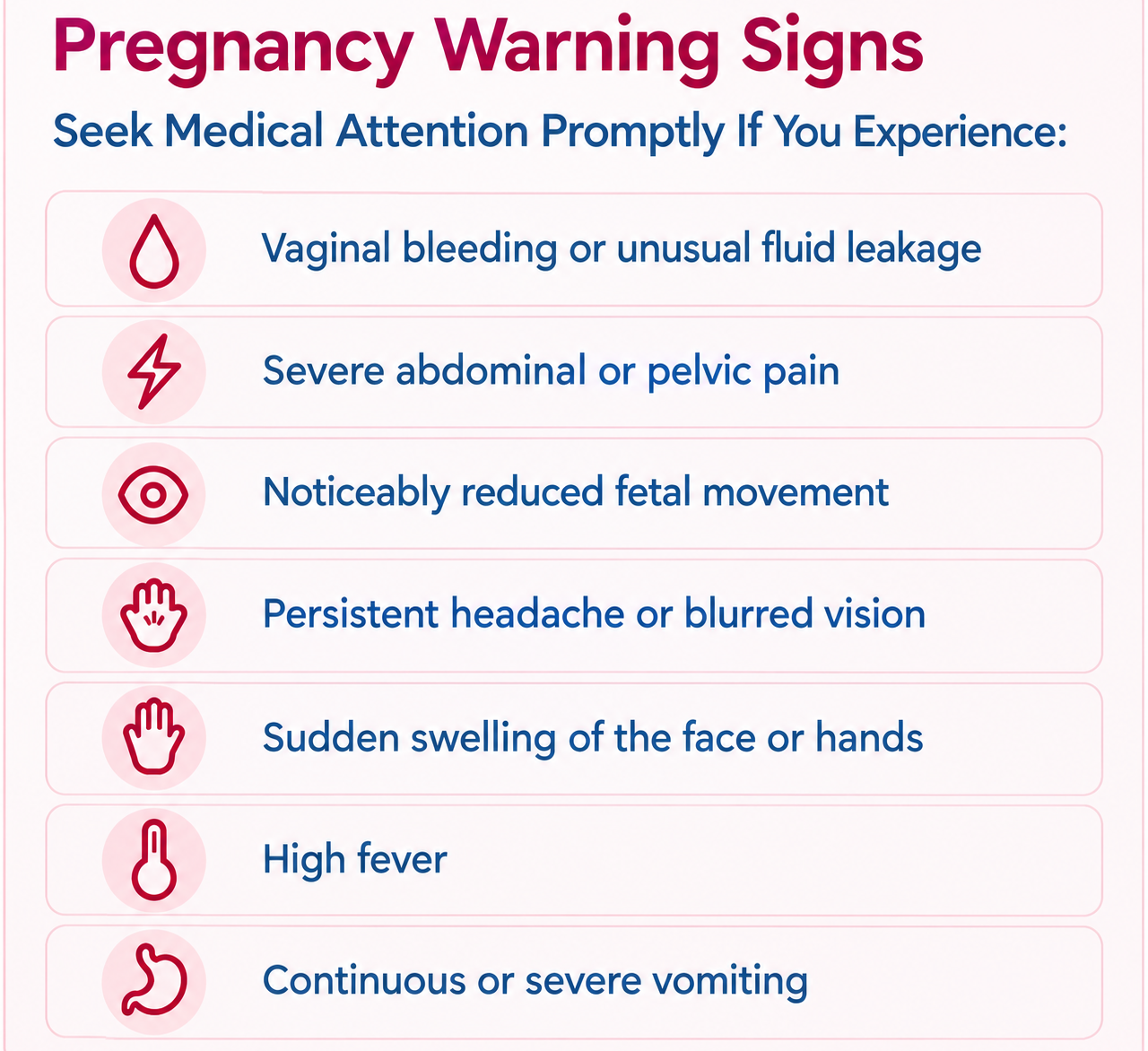
If you notice these symptoms, call your obstetrician, maternity care provider, or emergency services right away.
Summary
Antenatal care is the medical care given to women during their pregnancy to monitor the mother and baby and catch complications early. According to WHO, it is recommended at least eight antenatal contacts. Pregnancy wellness support involving nutrition, physiotherapy, and counselling assistance works alongside the medical care you're already getting.
Conclusion
Pregnancy care is no mere formality; they form the very basis of a healthy and successful delivery. Each visit is a new layer of safety for both of you.
Every pregnancy is different, and getting the right support makes the journey easier. Personalised counselling, pregnancy physiotherapy, and nutrition guidance from Svãy can work alongside your medical care to prepare you for motherhood.
FAQs
1. What is the main advantage of pregnancy care?
Pregnancy care allows medical professionals to detect any complications early, monitor the health of the mother and the baby, and provide the required care.
2: Is internal physical examination a part of pregnancy care?
Internal examinations are not required during all visits. In some cases, your doctor might suggest performing the examination based on your symptoms, stage of pregnancy, and personal needs.
3: What nutrients are important during pregnancy?
Key pregnancy nutrients are folate, iron, calcium, and protein. Consult your doctor to determine your supplement needs, as they differ from person to person.
4: How often do I need pregnancy checkups if my pregnancy is high-risk?
High-risk pregnancies may require more frequent monitoring of the patient. Your obstetrician or specialist will determine the appropriate schedule that suits you based on your needs.
5: Why is it so critical to begin pregnancy care early in the first trimester?
An early start allows for a health assessment, helps identify risks, and guides appropriate tests, nutrition, and supplements.
References
- National Library of Medicine: https://www.ncbi.nlm.nih.gov/books/NBK409109/#:~:text=minimum%20of%20eight%20contacts
- WHO, Antenatal care recommendations for a positive pregnancy experience: https://www.ncbi.nlm.nih.gov/books/NBK560386/
- WHO, Preterm birth fact sheet: https://www.who.int/news-room/fact-sheets/detail/preterm-birth
- US Preventive Services Task Force, Folic Acid Supplementation for Neural Tube Defects: https://www.uspreventiveservicestaskforce.org/uspstf/recommendation/folic-acid-for-the-prevention-of-neural-tube-defects-preventive-medication
- WHO, Calcium supplementation during pregnancy for prevention of pre-eclampsia: https://iris.who.int/server/api/core/bitstreams/a3277bb9-06a8-44eb-bd5a-2680c07649fc/content
- ACOG, Healthy Eating During Pregnancy: https://www.acog.org/womens-health/faqs/healthy-eating-during-pregnancy