Nikhisha Shetye, Nutritionist, Certified Diabetes Educator & Lactation Counsellor
Pre-Pregnancy Health Checklist: Expert Guide to Preparing for a Healthy Pregnancy
Introduction
Planning a baby brings joy and excitement, but it also comes with a long list of questions.
Many women ask what the best age to conceive is. The answer depends on many factors, and there is no single answer, as every body is different. Your doctor can guide you on what works best for you.
The time before you try matters just as much. Allowing your body three to six months to prepare is a kind gesture to yourself and your future baby. A baby’s brain, spine, and organs begin developing well before a pregnancy test turns positive. Once you conceive, regular pregnancy check-ups help you and your baby stay healthy.
Key takeaways
- Begin preparing your body three to six months before trying to conceive.
- Visit your doctor for blood tests, vaccines, and a medication review.
- Take folic acid daily at the dose advised by your doctor.
- Small changes to your diet and lifestyle can help.
- Svãy supports you alongside your doctor’s care.
Step 1: Medical checkups and screenings
Begin with a preconception visit. Talk to your doctor or gynaecologist about your health history.
Common checks include:
- A complete blood count (CBC) to check for anaemia
- Thyroid profile (TSH)
- Fasting blood sugar and HbA1c tests
- Vitamin D and vitamin B12 levels
- Screening for rubella, hepatitis B, and other infectious diseases
Review all your medicines and supplements with your doctor, including over-the-counter products. Anything unsafe during pregnancy can be replaced. Ask about booster vaccines too, such as rubella, tetanus, and influenza, before trying to conceive.
Step 2: Nutrition and supplements
The CDC advises women to take 400 micrograms of folic acid daily for at least one month before pregnancy. Neural tube defects develop in the first weeks of pregnancy, often before a woman knows she is pregnant, so waiting for a positive test may be too late.
Some women may need a higher dose, so confirm the right dose with your doctor.
- Iron helps form haemoglobin and can help prevent anaemia.
- Calcium and vitamin D support bone health and hormone balance.
- Omega-3 fatty acids support egg quality and fetal brain development.
Step 3: Foods to support fertility
Eat more of these
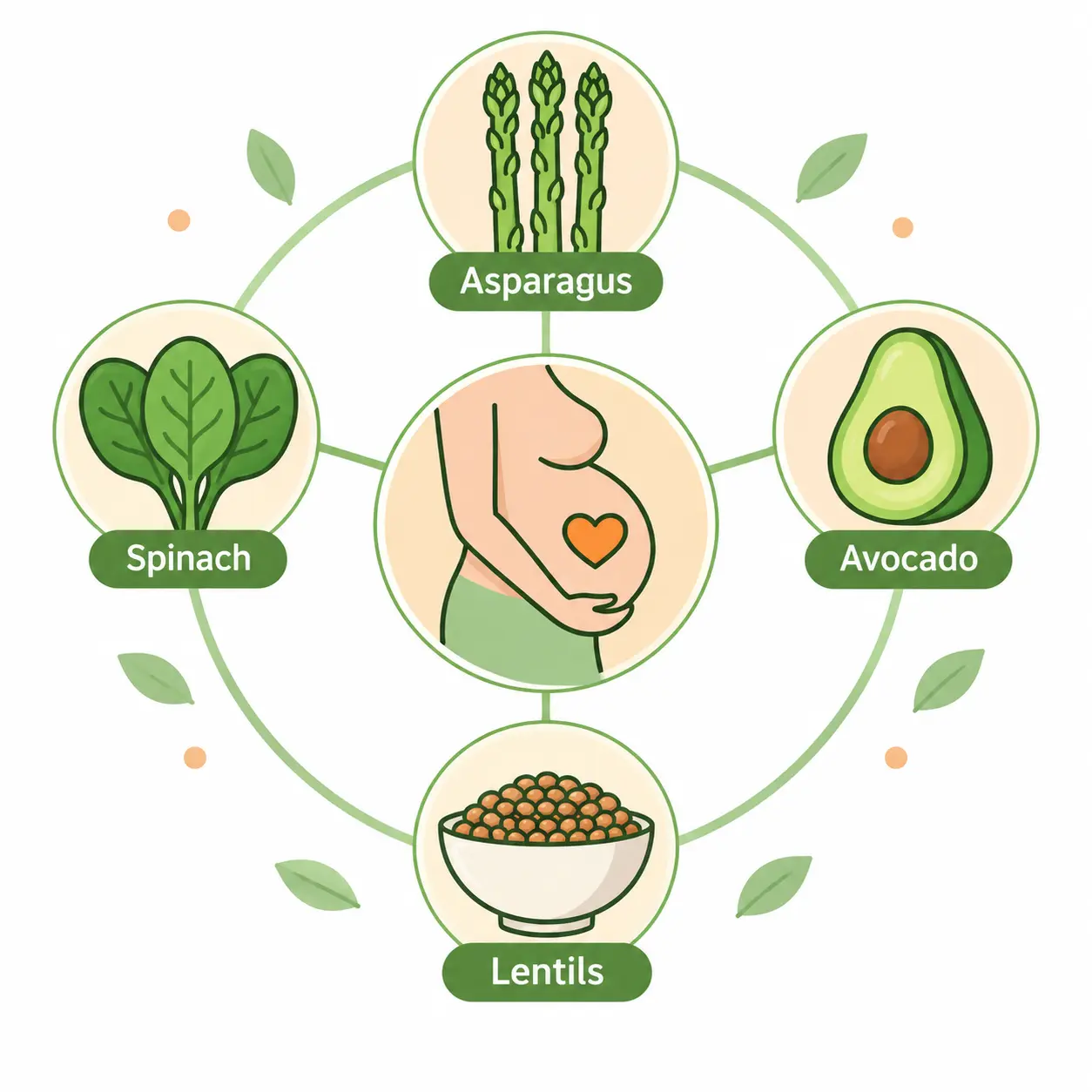
- Folate-rich foods: spinach, lentils, asparagus, and citrus fruits
- Healthy fats: avocados, nuts, seeds, and olive oil
- Protein: paneer, eggs, and low-mercury fish
- Whole grains and berries, which can help stabilise blood sugar levels
Limit these
- High-mercury fish
- Unpasteurised dairy
- Undercooked meat
- Trans fats, ultra-processed foods, and sugary snacks
Step 4: Lifestyle changes before pregnancy
Small changes make a big impact. Quit smoking and alcohol, and limit caffeine intake to no more than 200 mg per day, about one to two small cups of coffee. Limiting caffeine is a sensible precaution, and keeping it under 200 mg daily is especially advised during pregnancy.
Move your body regularly. The WHO recommends that adults aged 18–64 do at least 150 minutes of moderate-intensity physical activity each week, or at least 75 minutes of vigorous intensity activity, or an equivalent combination.

Step 5: Cycle tracking and hormone balance
Day one of your cycle is the first day of your period, while your fertile window occurs around ovulation. You can track it by monitoring your basal body temperature, using LH urine strips, and observing changes in cervical mucus.
If your cycles are irregular, get checked early. Ask your doctor about PCOS, thyroid concerns, or high prolactin.
Step 6: Toxins, stress, and sleep
Protect your sleep and create a calming environment by limiting exposure to BPA plastics, pesticides, aerosol sprays, and harsh chemical cleaners. Sleep is essential for maintaining hormone balance.
Your 90-day pre-pregnancy timeline
| Timeframe | Medical focus | Daily habits |
| Month 1 | Doctor visit, blood tests, medication review | Take folic acid; quit smoking and alcohol |
| Month 2 | Dental checkup, vaccines | Eat fertility-supportive foods, cap caffeine, exercise |
| Month 3 | Review results; see a specialist if cycles are irregular | Track your cycle; plan finances |
How Svãy can support you
Svãy is a women’s health and wellness clinic in Goa. It provides counselling, women’s physiotherapy, lactation support, and diet and nutrition services under one roof for women at every stage of life.
To support your pre-pregnancy journey, the team offers:
- Diet and nutrition assistance, including fertility meal planning and support for PCOS
- Women’s physiotherapy to build stamina and strengthen pelvic health at every life stage.
- Counselling to ease pre-pregnancy worries and stress
- Prenatal and lactation support when you are ready
Come as you are. Svãy is a judgement-free space, without guilt. Visit to begin.
Summary
A pre-pregnancy health checklist includes medical checkups, folic acid, good nutrition, healthy lifestyle practices, cycle tracking, and stress management, ideally started three to six months before trying to conceive. This checklist can be used by both partners. Svãy, a women’s health and wellness centre based in Goa, supports you through this journey.
Conclusion
Pregnancy preparation is not about perfection; it is about caring for your body before the journey begins.
Start with a doctor’s visit, add folic acid, eat nourishing foods, and build healthy habits. Pay attention to your cycle, manage stress, and ensure good sleep. Healthy habits matter for your partner too, so make it a team effort.
Start your pre-pregnancy health checklist today, and be kind to yourself along the way.
FAQs
1. How early should I begin preparing for pregnancy?
Ideally, start three to six months before trying to conceive so your body has time to build nutrient stores and support hormonal balance.
2. What are some foods that support fertility naturally in both partners?
Leafy greens, lentils, avocados, nuts, seeds, lean proteins, and low-mercury fish provide nutrients such as folate, iron, zinc, and omega-3 fatty acids.
3. What is the best age to conceive, and how does age affect preparation?
Fertility is generally highest in the 20s and early 30s, but it begins to decline more noticeably after 35. If you are over 35, talk to your doctor about early checks and seek advice if you have not conceived after six months of trying.
4. Does caffeine affect fertility and early pregnancy?
Excess caffeine may affect fertility and early pregnancy. Limit intake to 200 mg per day, roughly one to two small cups of coffee.
5. How do stress and poor sleep affect fertility?
Chronic stress can raise cortisol, which may affect ovulation, while poor sleep can disrupt reproductive hormones. Aim for seven to nine hours of sleep, and try yoga or mindfulness to unwind.
References
- CDC, About Folic Acid: https://cdc.gov/folic-acid/about/index.html
- ACOG Committee Opinion No. 462, Moderate Caffeine Consumption During Pregnancy: https://pubmed.ncbi.nlm.nih.gov/20664420/
- WHO, Physical Activity: https://who.int/initiatives/behealthy/physical-activity

.png)